
Operations
Seven mines, two projects, nine countries — all operated by Quintel.
Every asset page carries the full mineral resource and ore reserve statement, three years of operating data, the environmental and social record and the forward plan. Including the parts that are not going well.
- Operating mines
- 7
- Development and exploration
- 2
- Countries
- 9
- Average reserve life
- 17 years
Schematic map. Marker positions indicate the operating district, not a licence boundary.
- Producing
- Development
- Exploration
- Mbengwe Copper ComplexCopperbelt Province, Zambia · CopperProducing
- Lubumba Copper-Cobalt OperationLualaba Province, Democratic Republic of the Congo · Copper, CobaltProducing
- Asankran Gold MineWestern North Region, Ghana · GoldProducing
- Tazoult Silver MineAnti-Atlas, Drâa-Tafilalet, Morocco · SilverProducing
- Gamagara Manganese MineNorthern Cape, South Africa · ManganeseProducing
- Nyanga Manganese OperationHaut-Ogooué Province, Gabon · ManganeseProducing
- Fatala Bauxite OperationBoké Region, Guinea · BauxiteProducing
- Bagoé Gold ProjectSavanes District, Côte d'Ivoire · GoldDevelopment
- Erongo Copper ExplorationErongo Region, Namibia · CopperExploration
Seven operating mines, two development assets and 9 offices across nine countries. Every operation is managed by Quintel; we do not hold non-operated minority interests.
Mining method
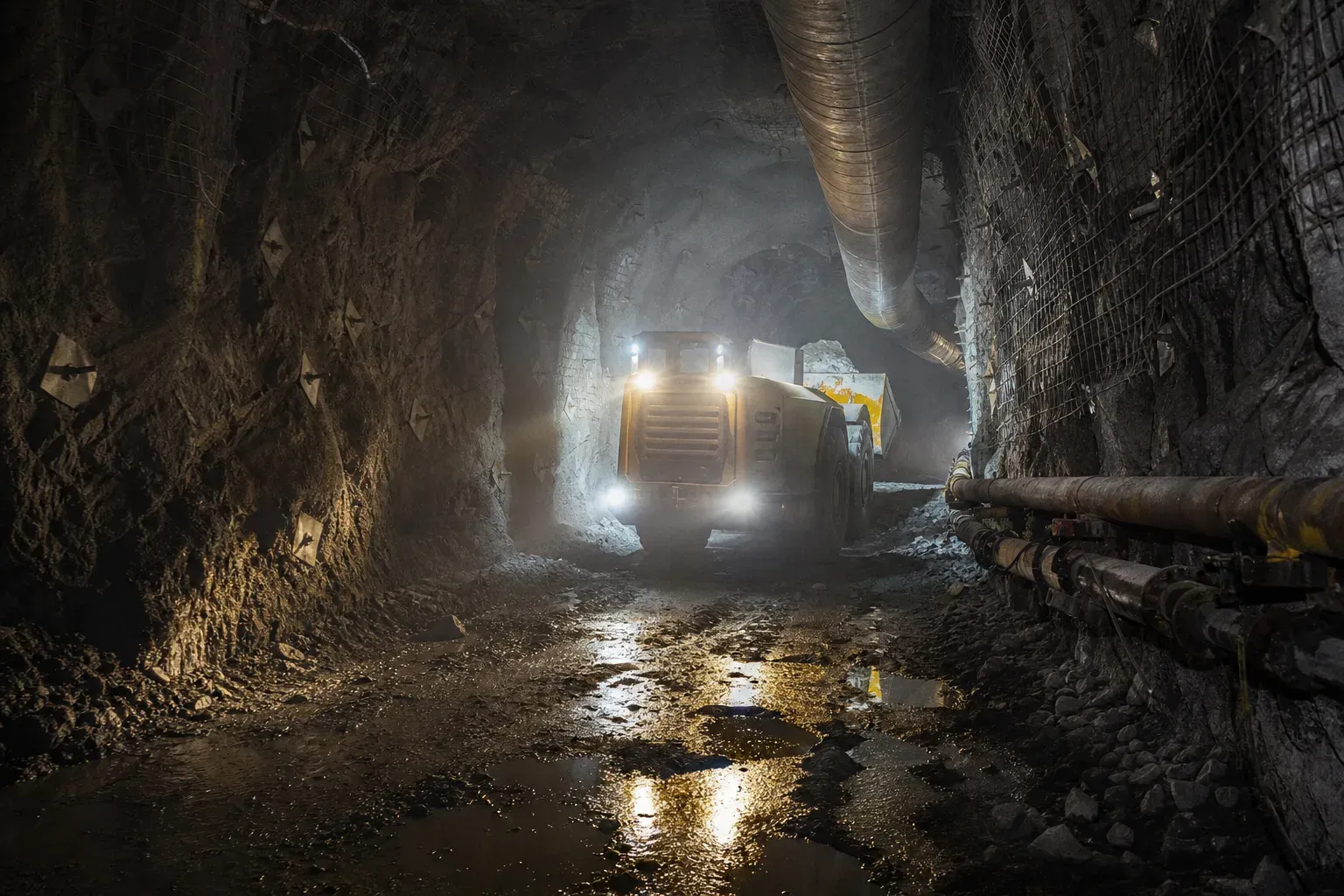
Four of the seven mines are underground, and that is a deliberate choice.
Open pits are cheaper per tonne until the stripping ratio turns against you. Three of our orebodies were shallow enough to justify a pit and were mined that way; the rest are narrow, steeply dipping or high grade, and going underground moves less waste, disturbs less land and needs less water.
It also puts people underground, which is why every heading is shotcreted and bolted to a support standard signed off by a geotechnical engineer, and why proximity detection is fitted to 94% of the mobile fleet rather than to the fleet we bought most recently.
- Underground mines
- 4
- Open pits
- 3
- Fleet with proximity detection
- 94%
Producing assets
The seven mines
Ranked by contribution to group revenue. Cobalt is produced as a by-product at Lubumba and is not counted as a separate asset. Tazoult joined the group in February 2026.
Mbengwe Copper Complex
Copperbelt Province · Copper
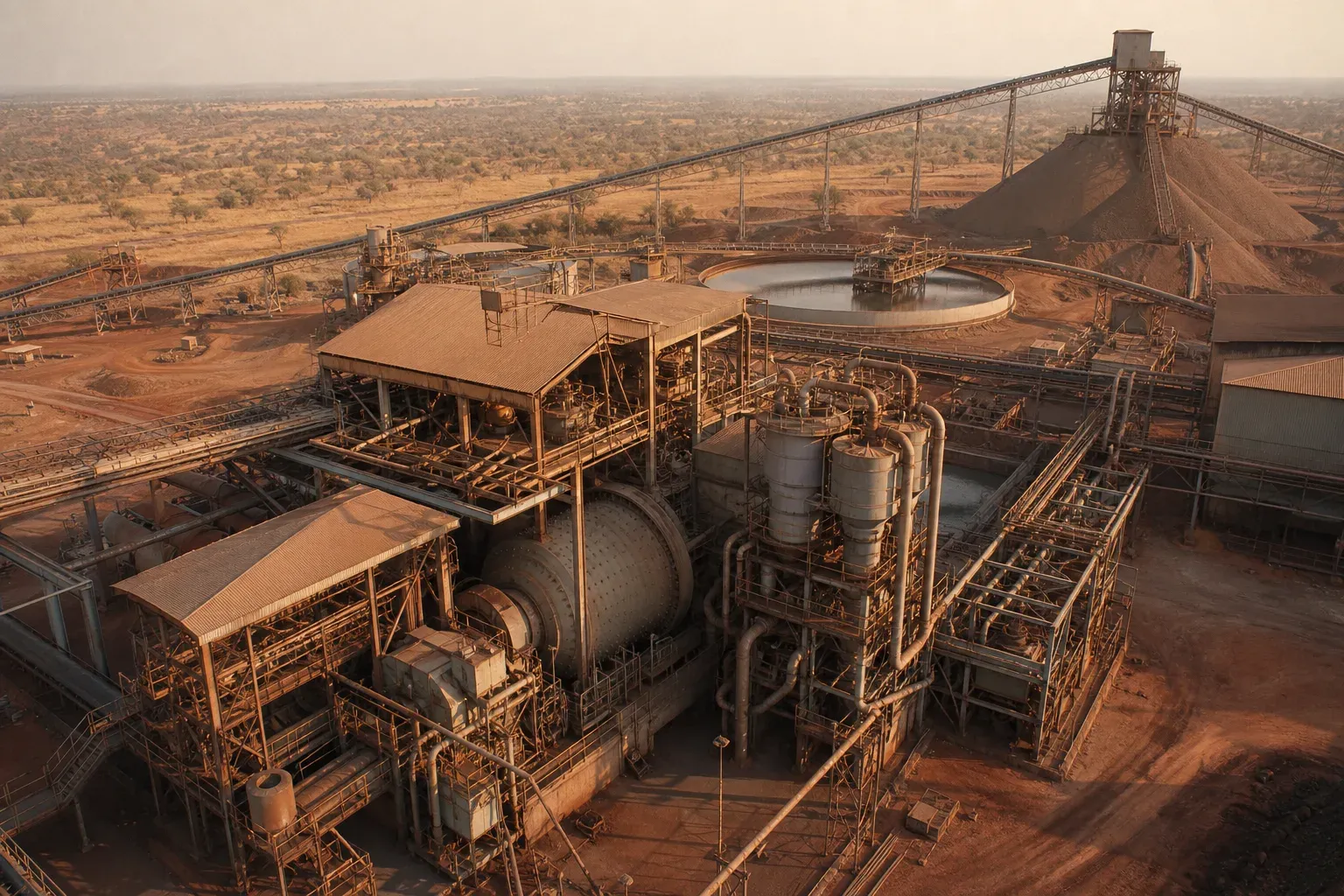
The group’s largest asset and the source of roughly two thirds of group copper. Mbengwe combines a mature open pit, a ramping underground mine and two processing routes on a single licence area in the Zambian Copperbelt.
- FY2025 copper
- 96.4 kt
- Ore reserve
- 182 Mt @ 1.12% Cu
- Mine life
- 18 years
- C1 cash cost
- US$1.71/lb
Lubumba Copper-Cobalt Operation
Lualaba Province · Copper, Cobalt
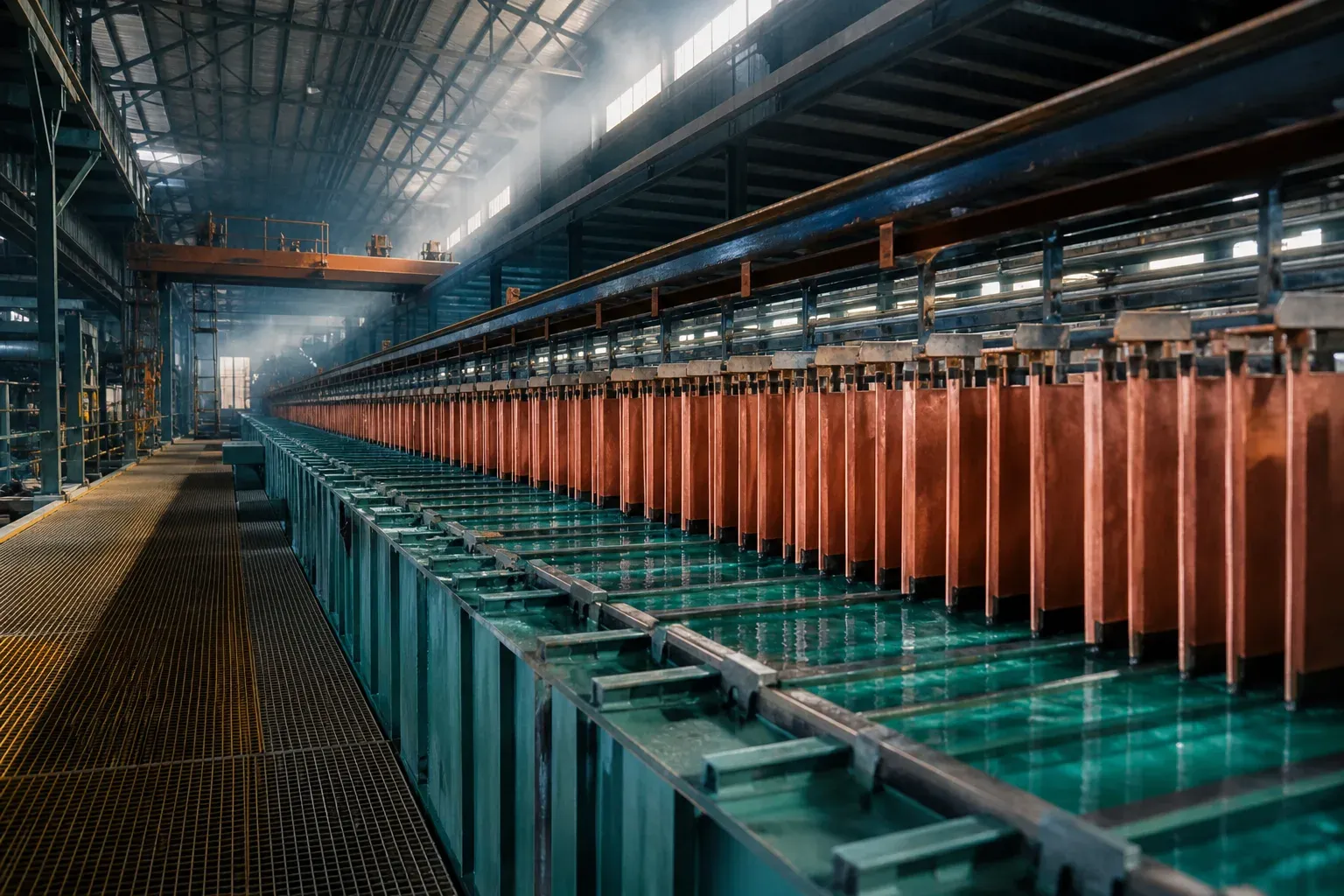
A high-grade oxide copper-cobalt operation in the Central African Copperbelt, and the group’s only source of cobalt. Lubumba is the most scrutinised asset in the portfolio and is run accordingly.
- FY2025 copper
- 51.8 kt
- FY2025 cobalt
- 3.85 kt
- Ore reserve
- 96 Mt @ 1.86% Cu
- Mine life
- 12 years
Asankran Gold Mine
Western North Region · Gold
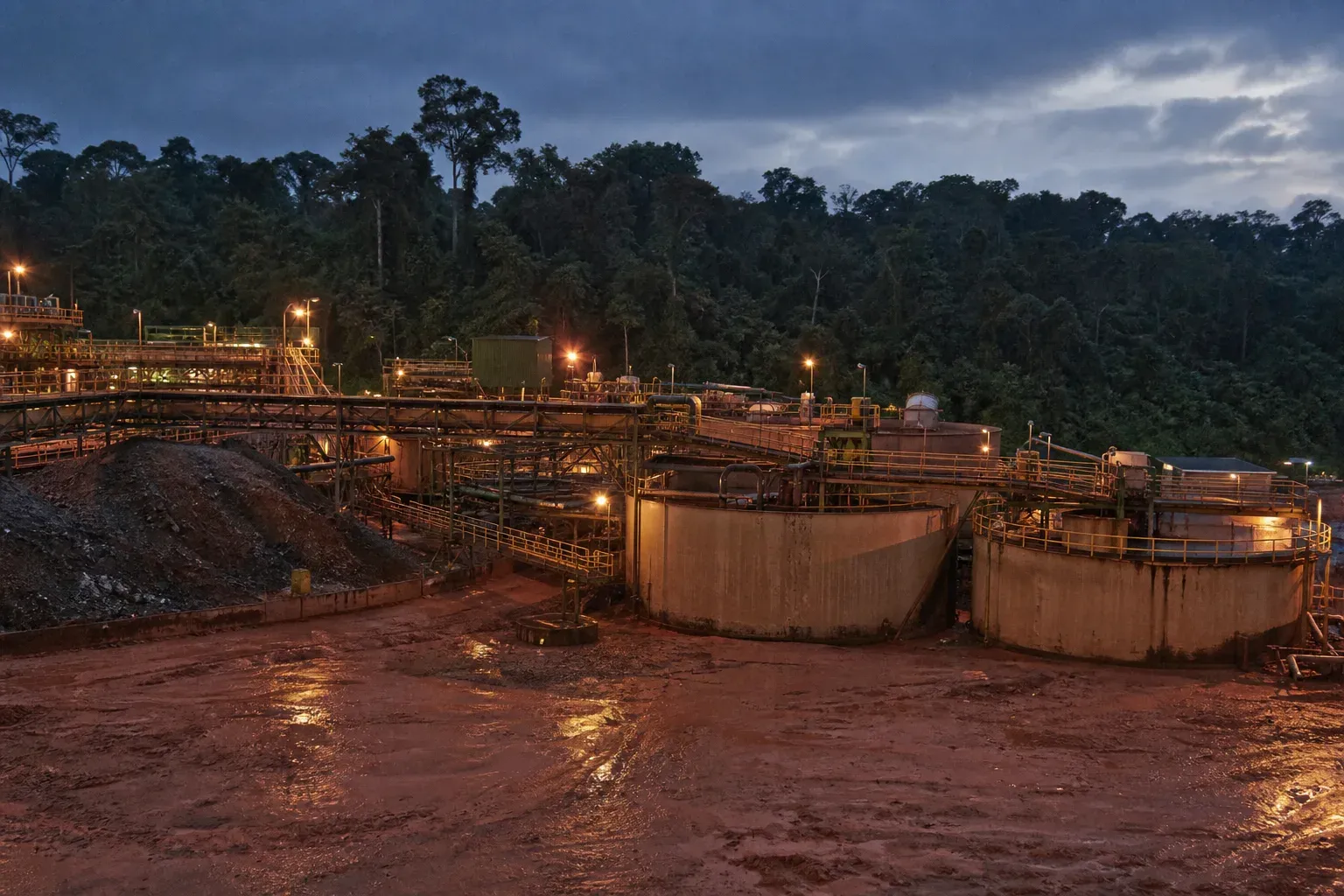
The founding asset of the group and the first mine Quintel ever built. Asankran has produced gold continuously since 2002 and remains the operation against which every other asset in the portfolio is benchmarked.
- FY2025 gold
- 212.4 koz
- Ore reserve
- 2.54 Moz @ 2.31 g/t
- AISC
- US$1,148/oz
- Producing since
- 2002
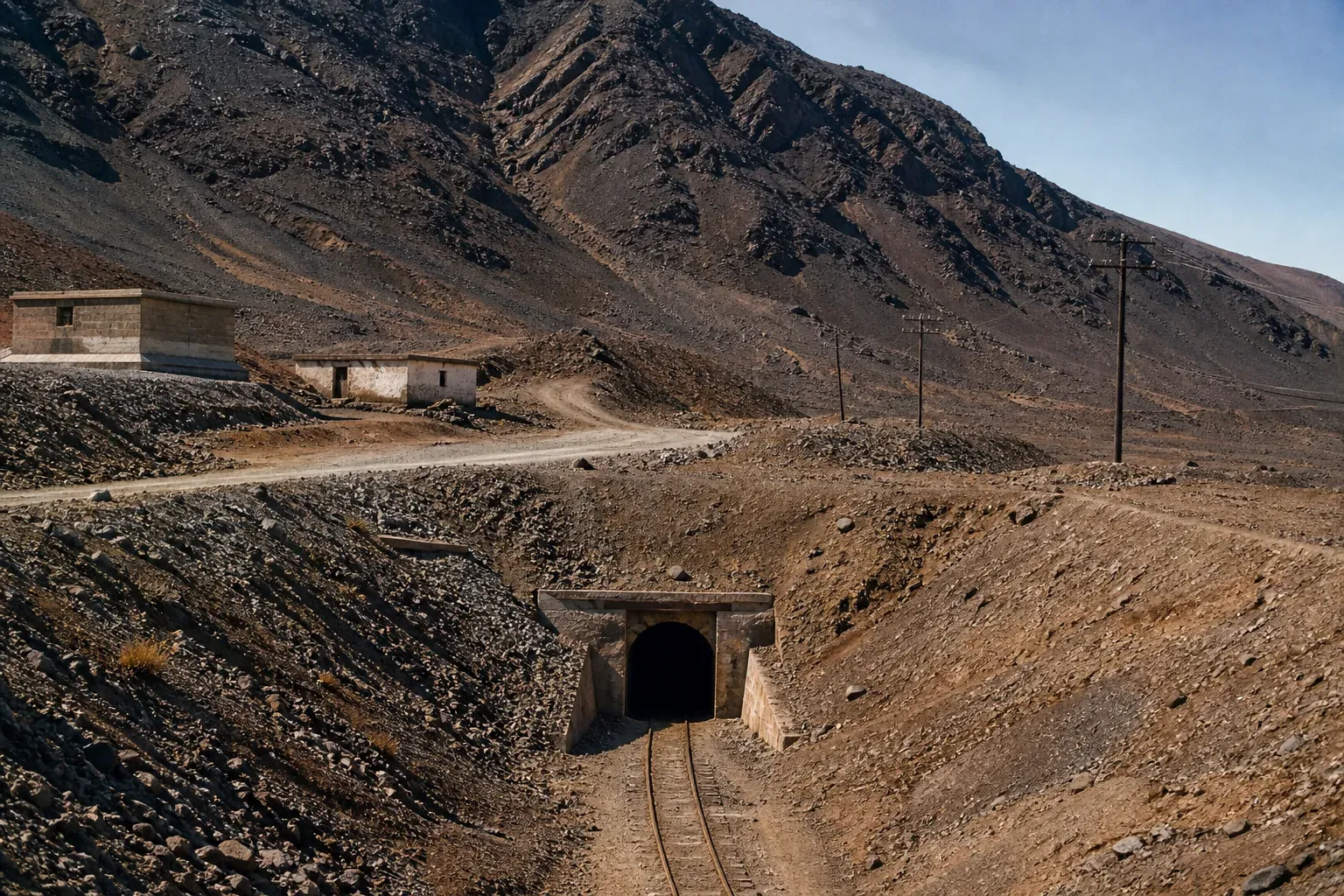
Tazoult Silver Mine
Anti-Atlas, Drâa-Tafilalet · Silver
The group’s first primary silver mine and its first asset outside sub-Saharan Africa, acquired in February 2026. Tazoult is a high-grade underground operation in the Moroccan Anti-Atlas that comes with a genuine water dispute attached to it.
- Annualised silver
- 4.1 Moz
- Ore reserve
- 6.4 Mt @ 232 g/t Ag
- Mine life
- 11 years
- AISC
- US$13.40/oz
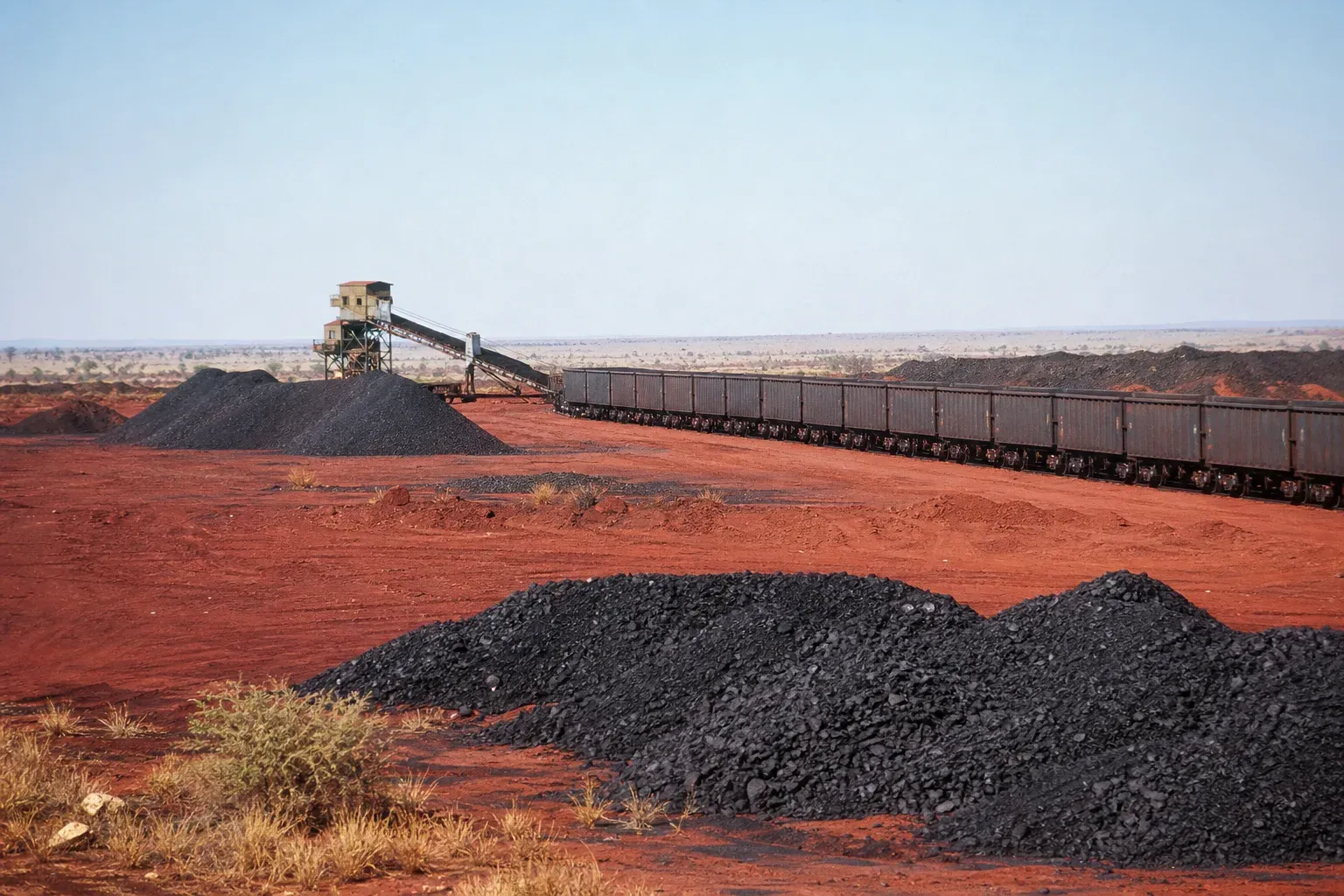
Gamagara Manganese Mine
Northern Cape · Manganese
A long-life, low-cost manganese mine in the Kalahari Manganese Field, the largest land-based manganese resource in the world. Gamagara supplies steel alloy producers in Asia and Europe.
- FY2025 ore
- 1.18 Mt
- Ore reserve
- 78 Mt @ 38.4% Mn
- Mine life
- 24 years
- Rail allocation
- 1.4 Mtpa
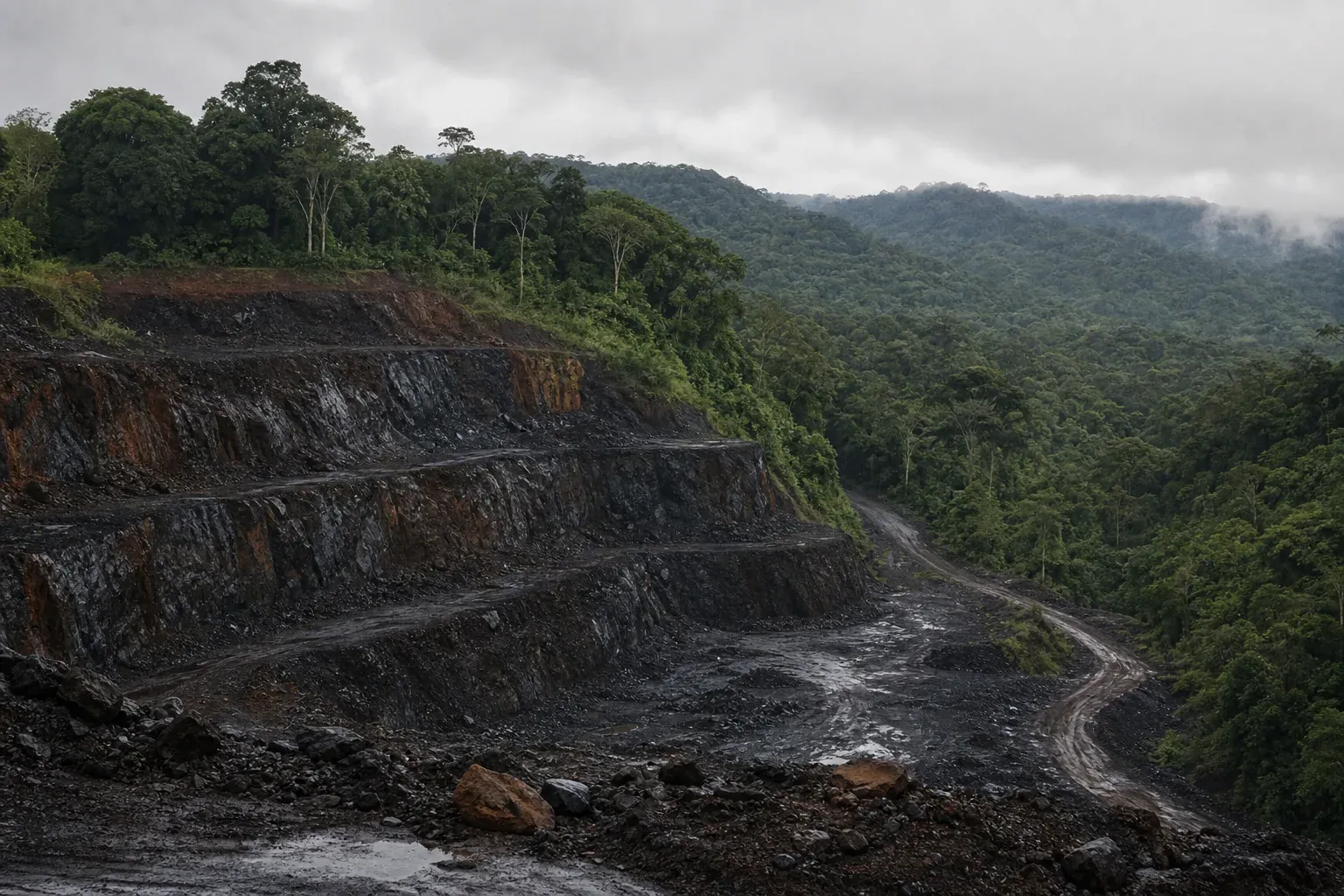
Nyanga Manganese Operation
Haut-Ogooué Province · Manganese
A high-grade, low-strip manganese operation on the Batéké plateau, railing product 620 kilometres to the Atlantic on the Trans-Gabon line.
- FY2025 ore
- 0.74 Mt
- Ore reserve
- 41 Mt @ 43.1% Mn
- Strip ratio
- 1.4:1
- Rail to port
- 620 km
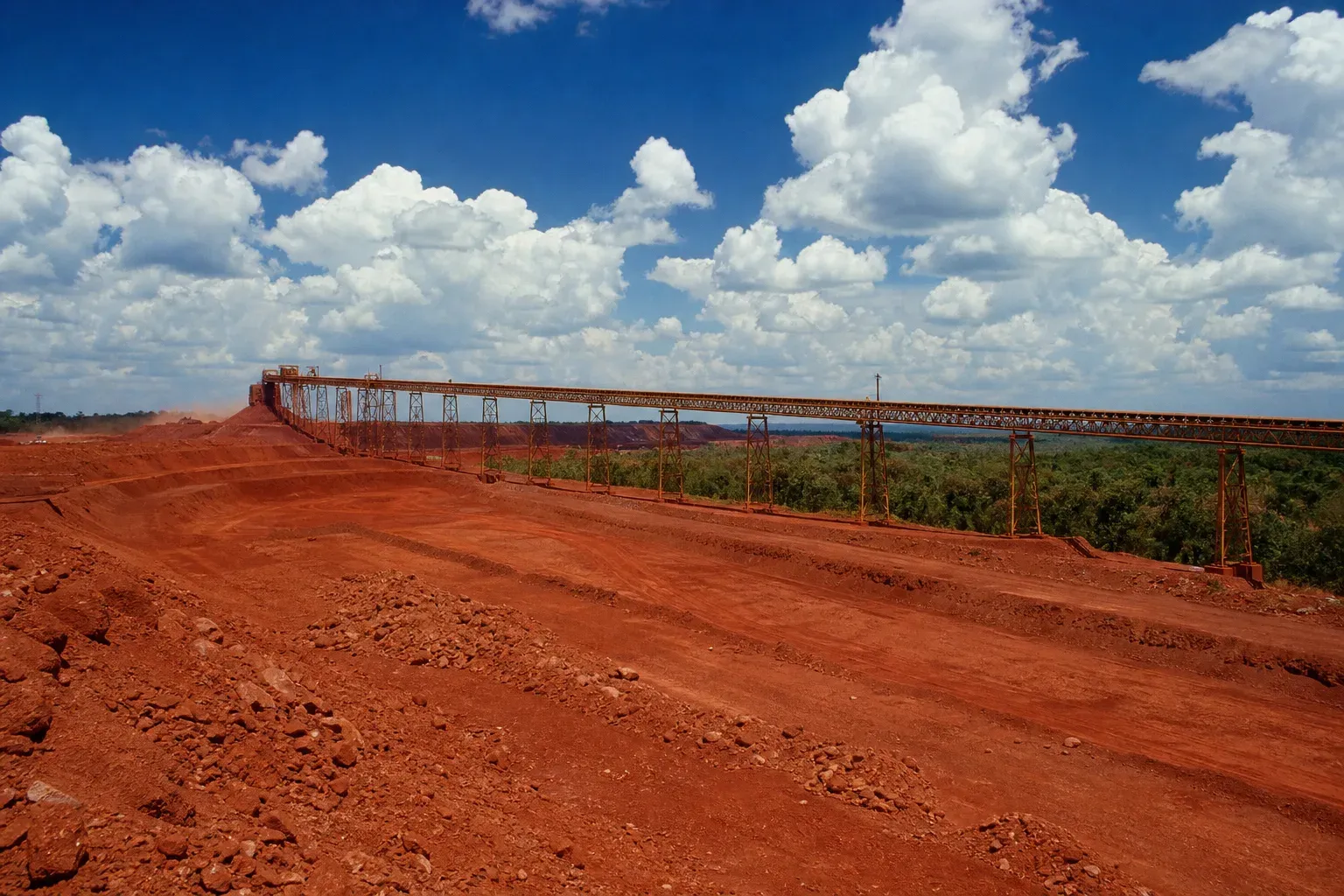
Fatala Bauxite Operation
Boké Region · Bauxite
The group’s newest and longest-life operation. Fatala mines high-alumina, low-silica trihydrate bauxite in Guinea and ships it to alumina refineries in Europe, the Gulf and Asia.
- FY2025 shipped
- 4.41 Mt
- Ore reserve
- 320 Mt @ 45.8% Al₂O₃
- Reactive silica
- 2.1% SiO₂
- Mine life
- 28 years
Pipeline
What replaces the ounces and tonnes we are mining today
A mine is a depleting asset from the day it opens. Bagoé replaces Asankran's ounces in the 2030s; Erongo is the group's attempt to replace copper the cheap way, by finding it.
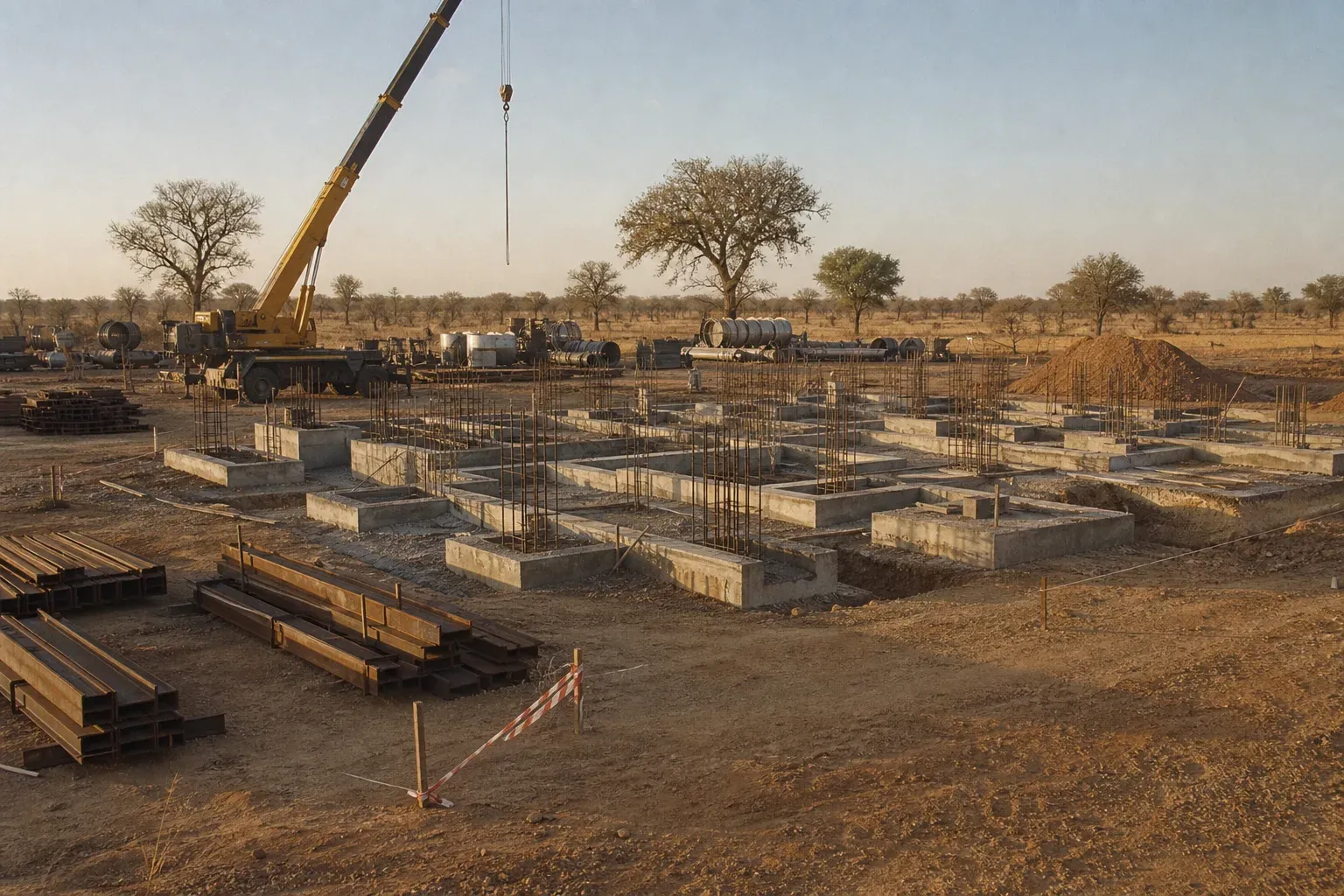
Bagoé Gold Project
Savanes District · Gold
A fully permitted gold development in northern Côte d’Ivoire with a completed definitive feasibility study, targeting first gold in the second half of 2028.
- Ore reserve
- 1.16 Moz @ 1.94 g/t
- Average output
- 128 koz/yr
- Capital cost
- US$412m
- First gold
- H2 2028
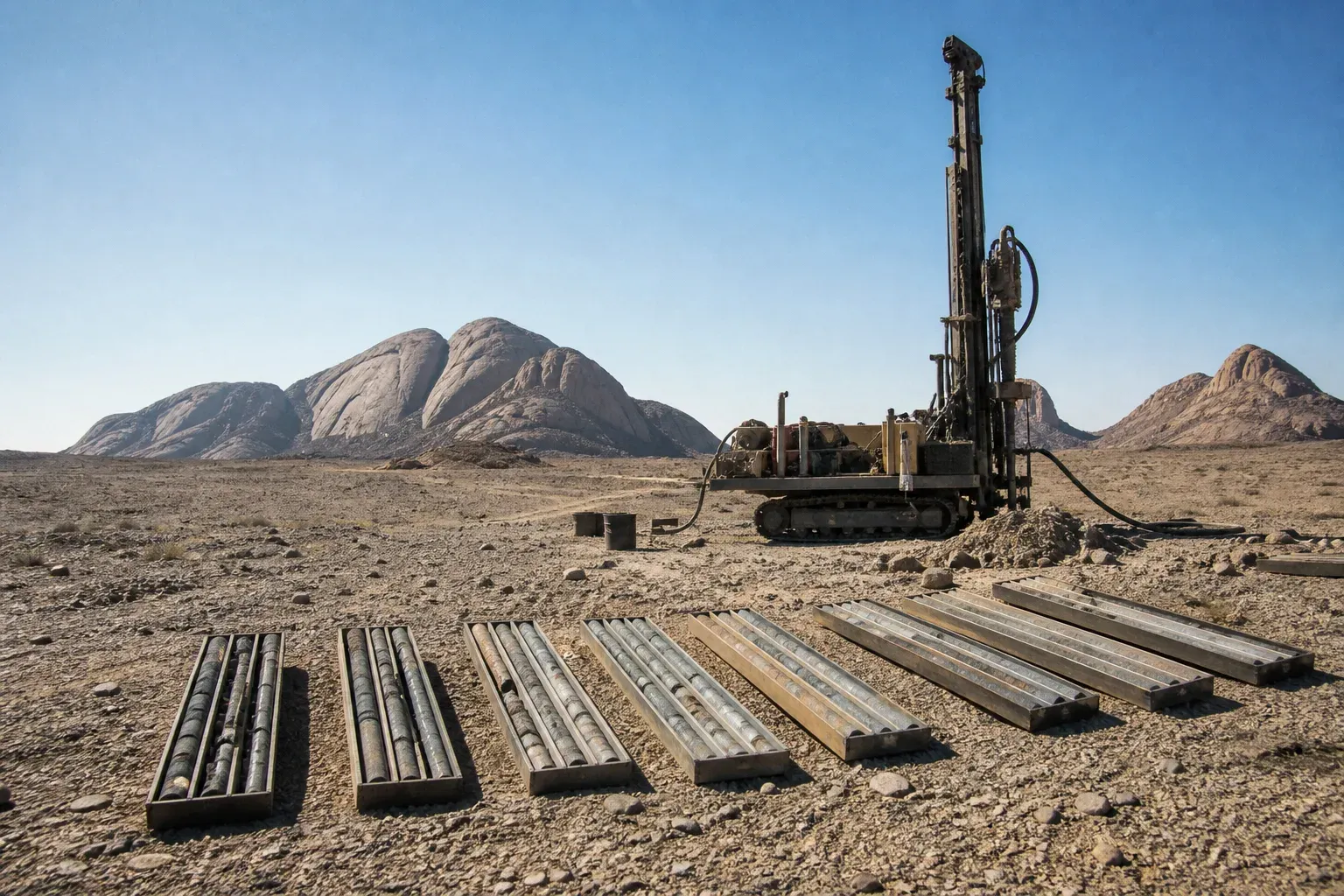
Erongo Copper Exploration
Erongo Region · Copper
A greenfield sediment-hosted copper search across 1,840 square kilometres of the Namibian Erongo region, targeting a maiden resource in 2027.
- Licence area
- 1,840 km²
- Drilled to date
- 34,000 m
- Ownership
- 100%
- Maiden resource
- Targeted 2027
Portfolio summary
Every asset in one table
Reserve figures are as at 31 December 2025, reported under JORC (2012) or, for the South African asset, SAMREC (2016).
| Asset | Country | Commodity | Status | Quintel interest | Mine life | Workforce |
|---|---|---|---|---|---|---|
| Mbengwe Copper Complex | Zambia | Copper | Producing | 80.0% | 18 years to 2043 | 2,150 employees, 1,180 contractors |
| Lubumba Copper-Cobalt Operation | Democratic Republic of the Congo | Copper, Cobalt | Producing | 75.0% | 12 years to 2037 | 1,480 employees, 890 contractors |
| Asankran Gold Mine | Ghana | Gold | Producing | 90.0% | 11 years to 2036 | 1,320 employees, 640 contractors |
| Tazoult Silver Mine | Morocco | Silver | Producing | 75.0% | 11 years to 2037 | 640 employees, 210 contractors |
| Gamagara Manganese Mine | South Africa | Manganese | Producing | 74.0% | 24 years to 2049 | 980 employees, 310 contractors |
| Nyanga Manganese Operation | Gabon | Manganese | Producing | 85.0% | 14 years to 2039 | 610 employees, 280 contractors |
| Fatala Bauxite Operation | Guinea | Bauxite | Producing | 82.0% | 28 years to 2053 | 1,110 employees, 620 contractors |
| Bagoé Gold Project | Côte d'Ivoire | Gold | Development | 85.0% | 9 years from first gold | 840 at peak construction, 520 in operation |
| Erongo Copper Exploration | Namibia | Copper | Exploration | 100.0% | Not applicable | 46 employees and contractors |
Why we operate everything
Quintel holds no non-operated minority interests in mining assets. A safety standard, a tailings governance framework or a resettlement policy is only worth as much as the authority behind it, and in an asset the group does not operate, that authority is a request. The cost of the rule is that Quintel grows more slowly than a company willing to buy 25% of somebody else’s mine.
How reserves are governed
Mineral resource and ore reserve estimates are prepared by site geology teams, independently reviewed by an external Competent Person, reconciled against actual mined tonnes and grades each year, and approved by the board before publication. Where the reconciliation shows a variance above 5%, the cause is investigated and disclosed. Two such variances were disclosed in the FY2025 statement.
Continue reading
Work with us
Most of our vacancies are at the mines, not in head office.
General managers, metallurgists, geotechnical engineers, continuous miner operators, environmental superintendents and apprentices, across nine countries.